
Optimal Timing for Asphalt Sealings
Determining the optimal time for asphalt sealings involves considering weather conditions, temperature, and moisture levels. Proper timing ensures the longevity and effectiveness of the sealant, preventing premature deterioration of the pavement.
Sealings are most effective when temperatures are consistently between 50°F and 85°F, allowing the asphalt to cure properly.
Dry weather with minimal humidity is preferred to ensure proper adhesion and curing of the sealant.
Late spring to early fall is generally ideal, avoiding extreme heat or cold that can compromise the sealant's performance.
Sealing should be scheduled during dry periods to prevent moisture from affecting the application and curing process.
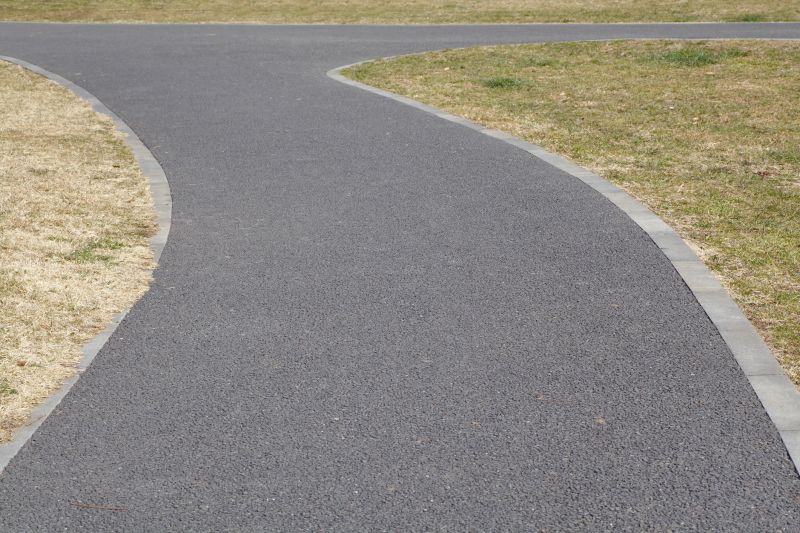
Ways to make Asphalt Sealings work in tight or awkward layouts.
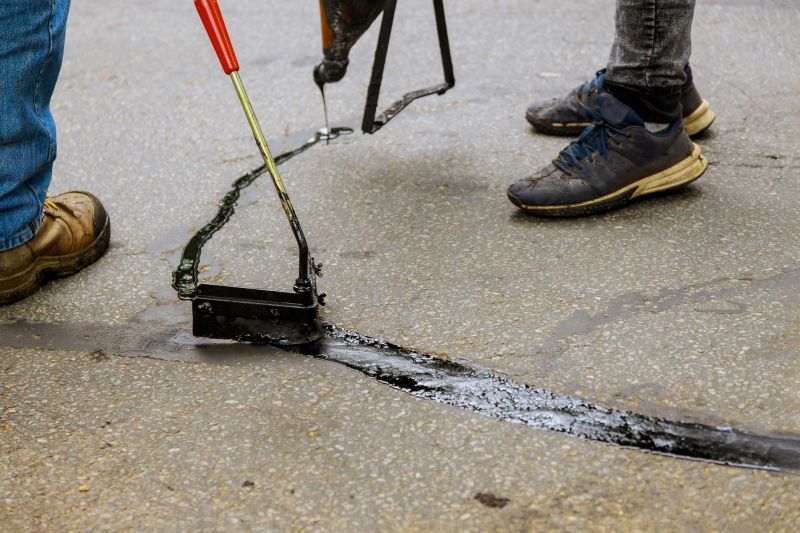
Popular materials for Asphalt Sealings and why they hold up over time.
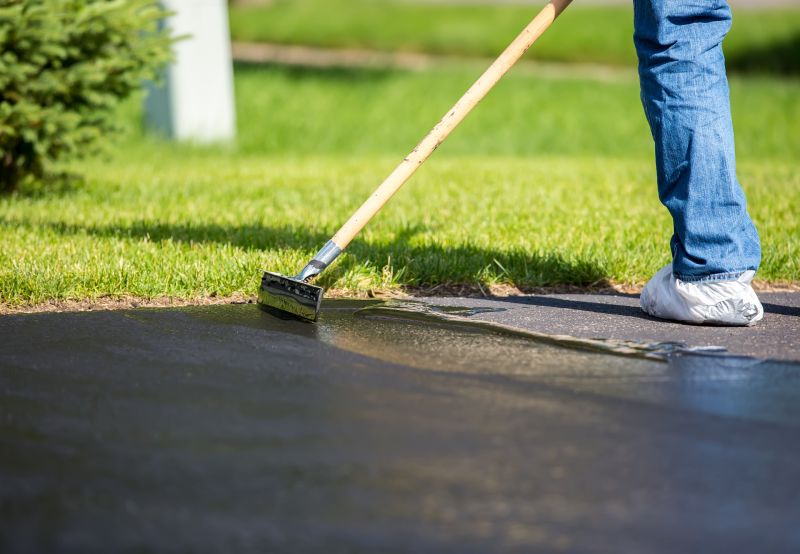
Simple add-ons that improve Asphalt Sealings without blowing the budget.
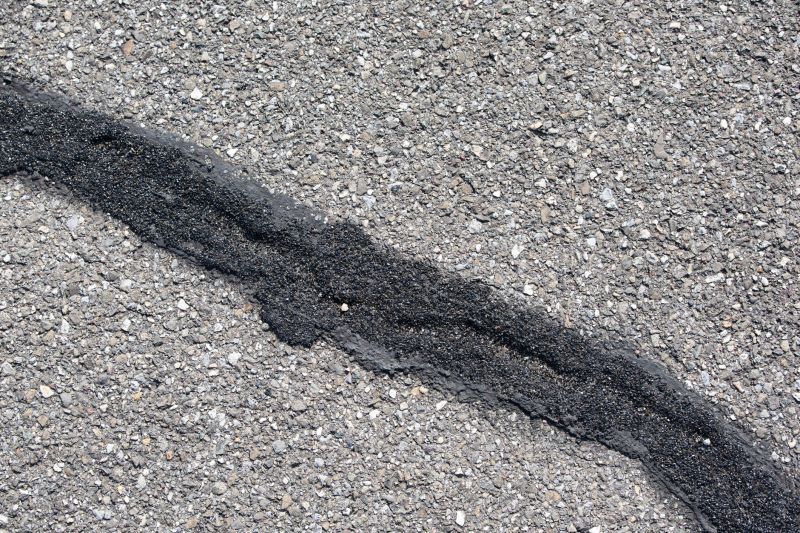
High-end options that actually feel worth it for Asphalt Sealings.
Asphalt sealings serve as a protective barrier that extends the lifespan of pavement by preventing water infiltration, reducing oxidation, and shielding against UV damage. Properly applied sealant can significantly decrease the need for repairs and maintenance, saving costs over time.
Statistics indicate that regular sealing can prolong asphalt pavement life by up to 50%. It also enhances the appearance of the surface, providing a uniform, black finish that improves curb appeal and safety.
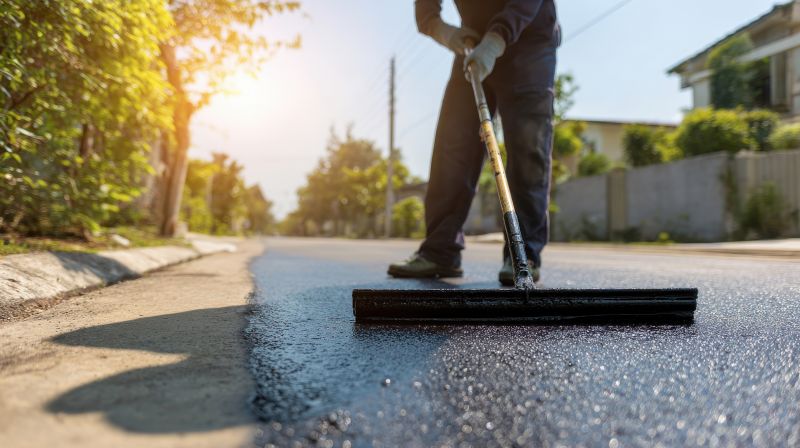
Finishes and colors that play nicely with Asphalt Sealings.
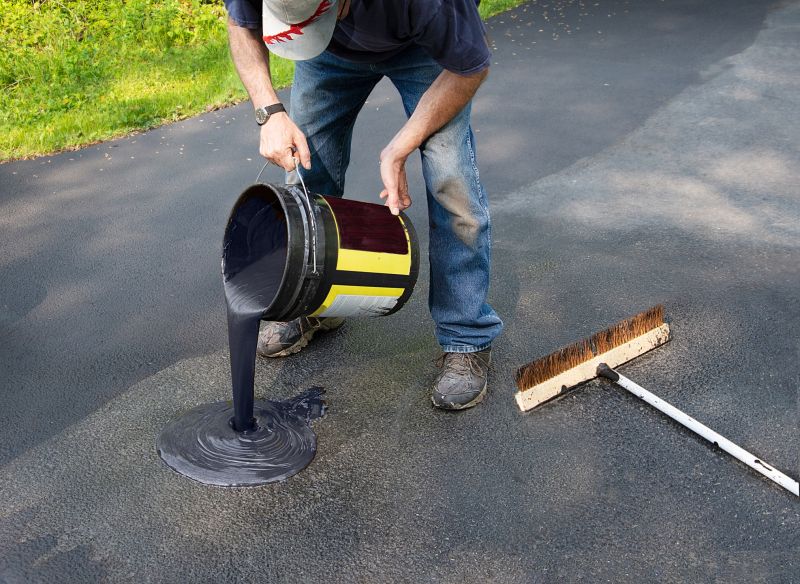
Little measurements that prevent headaches on Asphalt Sealings day.
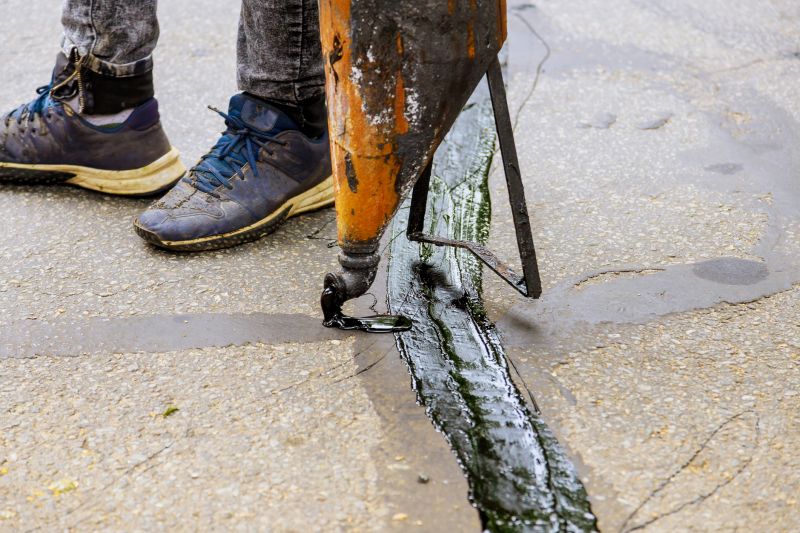
A 60-second routine that keeps Asphalt Sealings looking new.
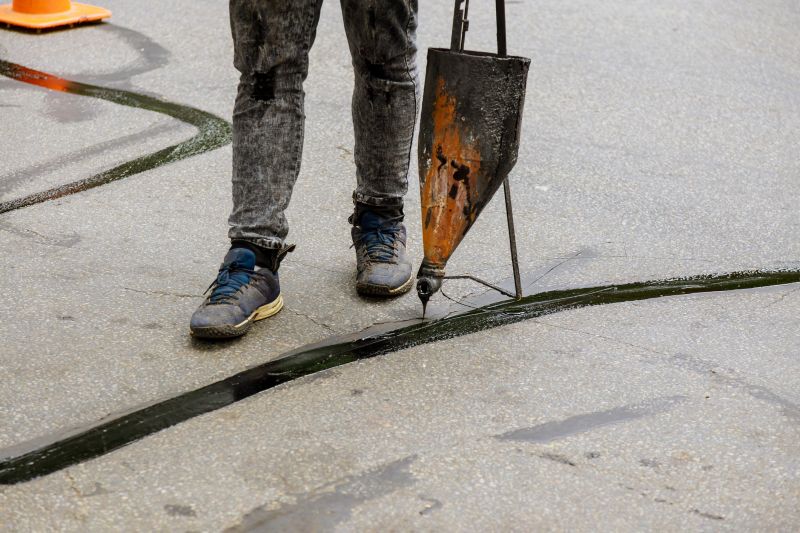
A frequent mistake in Asphalt Sealings and how to dodge it.
Interested parties are encouraged to contact for more information about scheduling asphalt sealings to maximize pavement life and appearance. Proper timing and application are critical for achieving optimal results and durability.